Deciding on a Dental Home: A Practical Playbook for Patients and Families
Start by defining your needs across a full year of care. Assess routine checkups, cleaning frequency, and any past issues that may recur. Then map likely scenarios, such as chipped fillings or sensitivity during seasonal changes. This framework helps you align expectations with available services like preventive dental care, restorative dentistry, and cosmetic dentistry, so you can compare options based on actual use rather than abstract wish lists.
Meanwhile, scope the clinical workflow that supports precision and comfort. Practices that use microscopic dentistry can refine margins and verify crack lines earlier, which may reduce downstream repairs. Ask how imaging, charting, and oral health assessments feed decisions. In practice, clarity on diagnostics, treatment sequencing, and re-evaluations reveals whether the clinic can phase care thoughtfully without rushing or leaving gaps.
Beyond that, examine comfort protocols and communication habits. Pain-free gentle dentistry is more than a phrase; it’s a set of calibrated techniques, topical choices, and pacing. Validate how clinicians check numbness before starting, and how they document sensitivity changes. Often, gentle dental cleaning methods and measured instrumentation help patients maintain confidence, which supports better home hygiene between visits and fewer urgent surprises.
Next, dig into access and response timing. Same-day dental emergencies matter when a crown dislodges before travel or a child chips a tooth at practice. Verify intake steps, triage questions, and after-hours guidance. Then confirm how follow-ups are scheduled to inspect healing and adjust bite forces. A reliable system buffers risk by catching small complications early rather than deferring fixes until the next routine appointment.
However, budgeting should sit alongside clinical priorities. Direct dental insurance billing can simplify reimbursements, reduce friction at checkout, and maintain focus on health decisions during visits. Ask how treatment plans are presented, whether alternates are offered, and how benefits are estimated. Calibrate expectations for co-pays and timelines so you can phase care responsibly, balancing immediate needs with long-term oral health planning.
Similarly, evaluate family dentistry logistics that support multiple ages. Children, adults, and seniors have different recall intervals and fluoride needs, and bite forces shift across life stages. Sequence appointments to minimize school or work disruptions, and verify how the practice tracks growth, wear, and systemic health notes. Finally, request written summaries so you can maintain continuity even when life gets busy.
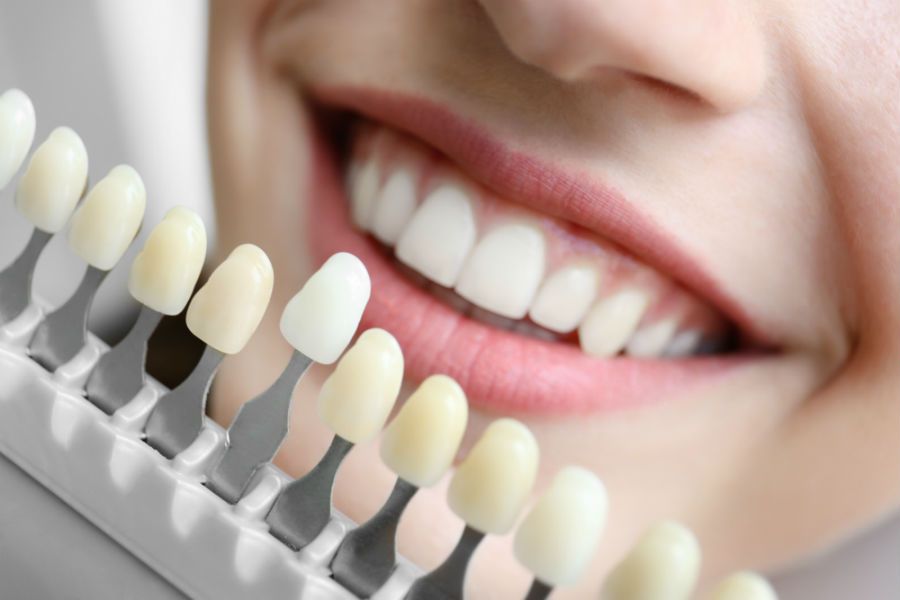
Also, consider aesthetics within a health-first framework. Aesthetic/smile goal consultations should align with stable gums, healthy enamel, and functional bite forces. Validate materials, shade planning, and polishing protocols that protect tissue. Then ask how cosmetic steps integrate with restorative dentistry, ensuring veneers or bonding won’t compromise future repairs. The best outcomes respect biology, durability, and maintenance requirements you can realistically uphold.
Afterward, focus on home care calibration. Your clinician can adjust tools and techniques to your dexterity and schedule, translating advice into daily habits. Document product changes, sensitivity trends, and any diet shifts that affect enamel and gums. In practice, small refinements—like interdental aids or remineralizing agents—may buffer risk between visits, supporting stable checkups and fewer unplanned chairside interventions.
Additionally, look at policy clarity and inclusivity. Ask about CDCP acceptance, eligibility steps, and how records are shared securely with other providers if needed. Inspect privacy practices, consent forms, and radiograph intervals that follow current guidance. Transparent systems reduce surprises and help you validate that recommendations track with your goals, your coverage, and your tolerance for frequency of visits.
Finally, weigh culture and continuity. Free friendly dental advice during or between visits signals openness that builds trust over time. When teams remember preferences and track details, it simplifies future decisions and reduces anxiety. Maintain a simple file of treatment plans, dates, and at-home notes. With that foundation, you can plan proactively, adapt as needs evolve, and keep care aligned with both health and lifestyle.